
2026-10-24 · Marco Rossi
How to Flush Sediment from Your Water Heater After Florida's Rainy Season
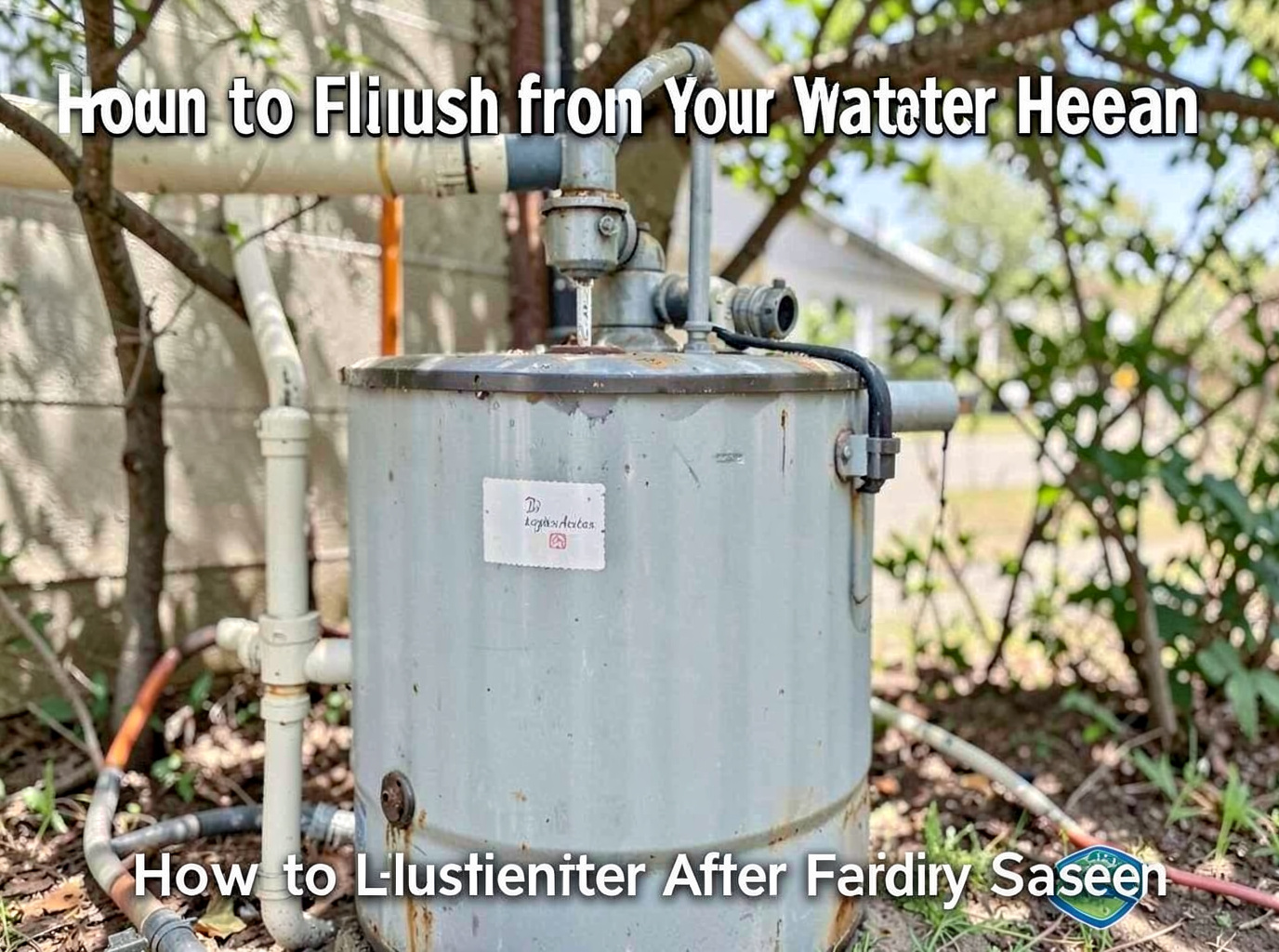
Flushing sediment from your water heater after Florida's rainy season is a straightforward maintenance task that can significantly extend the life of your unit and improve its efficiency. The process typically takes about 1 to 2 hours for a standard tank and should be done annually, ideally in late fall or early winter after the wet season has concluded. This proactive step prevents sediment buildup, which can cause inefficiencies, increase energy bills, and lead to premature failure of your water heater, a common issue we see in homes across Westminster, Sunshine, and Richmond neighborhoods.
Why Flushing is Crucial in Lehigh Acres
Lehigh Acres, situated in Lee County, experiences a tropical monsoon climate with distinct wet and dry seasons. The heavy rainfall during the wet season, which typically runs from May through October, can impact the municipal water supply, often leading to increased sediment and mineral content. This is especially true for older homes or those drawing water from wells, where the water may carry more particulate matter. Over time, these minerals, primarily calcium and magnesium, along with sand and rust particles, settle at the bottom of your water heater tank. This accumulation acts as an insulator, forcing your water heater to work harder to heat the water, leading to higher energy consumption and potential damage to heating elements, particularly in electric units common around Mirror Lakes and near the Lee County Sports Complex. For a deeper dive into sediment issues, you can read our article on <a href="/services/water-heater-sediment-and-mineral-buildup">Water Heater Sediment and Mineral Buildup</a>.
Signs Your Water Heater Needs Flushing
Identifying when your water heater is struggling with sediment buildup is key to preventing more serious issues. As an operator serving Lehigh Acres for years, I've seen these symptoms firsthand. If you notice any of these signs, it's likely time for a flush, or perhaps even a professional inspection if the problem persists:
- Rumbling or Popping Noises: This is one of the most common indicators. As the heating element attempts to heat water through a layer of sediment, trapped pockets of water can boil and burst, creating loud rumbling or popping sounds. This is particularly noticeable in older tanks in areas like Sunshine.
- Reduced Hot Water Supply: Sediment takes up space in the tank, reducing the volume of hot water available. It also insulates the heating element, making it less efficient at transferring heat to the water. If your 40-gallon tank suddenly feels like a 30-gallon tank, sediment is a likely culprit.
- Higher Energy Bills: A sediment-laden water heater has to work harder and longer to reach the desired temperature, directly translating to increased energy consumption and higher utility costs. Many residents in Lehigh Acres notice this spike after the rainy season.
- Rusty or Discolored Water: While sometimes indicative of a failing anode rod or tank corrosion, rusty or discolored water can also be caused by sediment, especially if it's only present when hot water is initially drawn. If you're seeing this, it's worth considering a flush. You can learn more about this specific issue on our <a href="/services/water-heater-rusty-or-discolored-water">Water Heater Rusty or Discolored Water</a> service page.
Step-by-Step Guide to Flushing Your Water Heater
Before you begin, gather your tools: a garden hose, a bucket, and a pair of channel lock pliers. Always prioritize safety. If you're uncomfortable with any step, it's best to call a professional. Our team, based at 4914 Bywood St, Lehigh Acres, FL 33971, is always ready to assist residents in Lehigh Acres, Fort Myers, and Cape Coral.
- Turn Off the Power/Gas: For electric water heaters, switch off the circuit breaker that supplies power to the unit. For gas water heaters, turn the gas control valve to the "OFF" position. This is a critical safety step to prevent damage to the heating elements if the tank empties.